How the 1989 Calgary Flames Built the Franchise’s Only Stanley Cup
The 1989 Calgary Flames remain the only Flames team to win the Stanley Cup. Their run combined high-end offensive production, a structured playoff identity and moments that have echoed in franchise memory—Lanny McDonald’s final NHL goal and Al MacInnis’s Conn Smythe-winning postseason are two of the clearest examples. This article explains how that team’s construction and performance translated into a championship that still matters to fans and to the franchise’s identity.
The Flames finished the 1988–89 regular season 54–17–9 (117 points), won the Presidents' Trophy, then beat the Montreal Canadiens 4–2 in the 1989 Stanley Cup Final (series: May 14–25). Al MacInnis won the Conn Smythe Trophy; Game 6 clincher was 4–2 in Montreal on May 25, 1989.
THE SIMPLEST WAY TO UNDERSTAND THE TOPIC
Put simply: the 1989 Flames paired peak regular-season dominance with playoff performance from star contributors and a tight team structure. They entered the postseason as the NHL’s top regular-season team, then carried that momentum through the playoffs to defeat the Montreal Canadiens four games to two in the Final. The result was both a practical championship and a symbolic landmark: the franchise’s only Stanley Cup.
HOW IT WORKED IN REAL PLAY
What fans saw on the ice was a team that could both generate offense and survive the grind of playoff hockey. The Flames’ regular-season record signaled sustained scoring and consistency across three 20-minute periods. In the Final, Game 6 at the Montreal Forum became decisive: Calgary scored four goals in that clinching game, including the game-winning goal credited at 11:02 of the third period, and Lanny McDonald added what turned out to be his final NHL goal.
STRUCTURE AND KEY PLAYERS
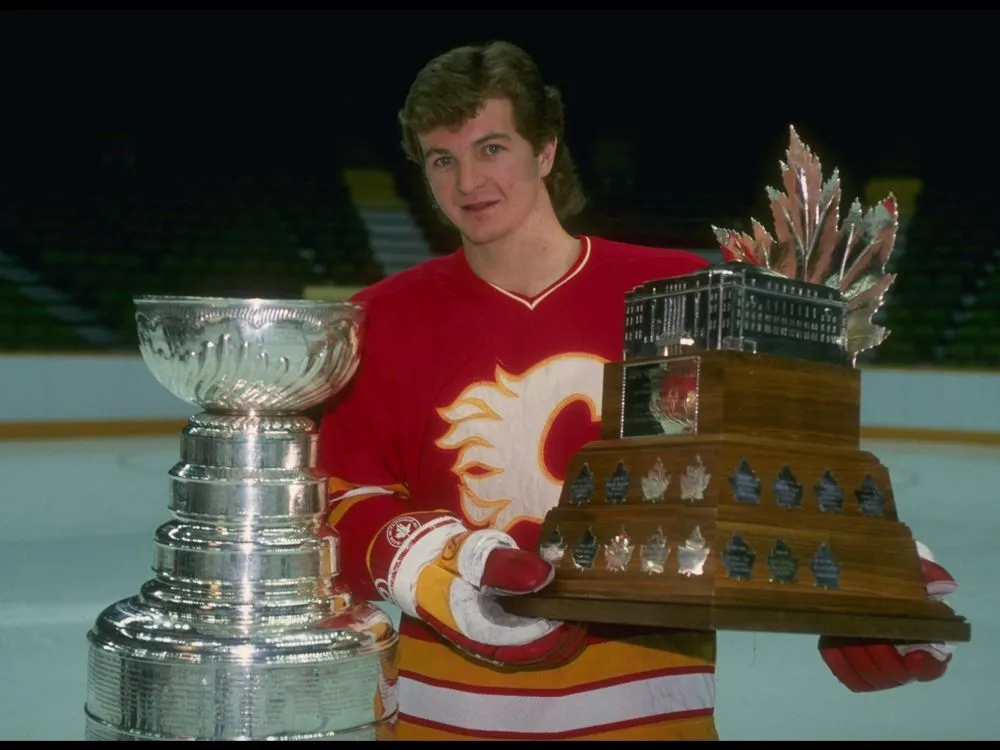
The Flames’ construction combined top-end talent and a collective game plan. Al MacInnis emerged as the playoff driving force, leading all players in postseason scoring with 31 points and earning the Conn Smythe Trophy as playoff MVP. Lanny McDonald and other leaders provided decisive moments; McDonald’s last goal in Game 6 is an enduring franchise image. The team’s Presidents' Trophy-winning regular season (54–17–9, 117 points) supplied the foundation—depth and reliability over 80 games—needed to withstand playoff variability.
A QUICK FACTUAL GROUNDING
The 1989 Stanley Cup Final ran from May 14 to May 25, 1989. Calgary defeated Montreal four games to two, clinching the Cup on May 25 with a 4–2 victory at the Montreal Forum. The Flames’ home games in the series were played at the Olympic Saddledome. This Final also carries a larger historical footnote: it is, according to authoritative records, the last time the Stanley Cup Final was contested between two Canadian teams.
HOW THE TITLE CARRIES SYMBOLIC WEIGHT
Beyond the box scores, the 1989 Cup became a symbol for the franchise: proof that the team could translate regular-season supremacy into postseason success. The combination of a Presidents' Trophy season, a Conn Smythe performance from a defenseman, and a final sealed in the storied Montreal Forum gives the win a layered meaning—competitive validation, individual excellence, and a dramatic narrative moment. For Calgary fans, those elements make the Cup more than a trophy; it’s a touchstone in the club’s collective memory.
WHERE PEOPLE GET CONFUSED — AND WHAT TO WATCH
Some narratives reduce championships to a single hero or one moment. The 1989 Flames show that while iconic plays (McDonald’s goal, the clinching third-period game-winner) matter, championship runs also require season-long construction and multiple contributors. When you rewatch games or examine series summaries, notice the interplay between steady regular-season results, playoff point production (MacInnis’s 31 points), and decisive performances in key games—those are the practical ingredients behind the headline moments.
CLOSING INTERPRETATION
The 1989 Calgary Flames won the franchise’s only Stanley Cup by combining a dominant regular season, playoff-leading performances from core players and clutch finishing when it mattered most. The Cup’s lasting importance comes from that mix of measurable achievement and memorable imagery: a Presidents' Trophy season, a Conn Smythe Trophy from a defenseman who led postseason scoring, Lanny McDonald’s final goal and a clincher in the Montreal Forum. Together those facts explain not just how the Flames won, but why the title still defines the team’s identity.
Author: William L.