How the US Men's Hockey Team Oscillated Between Prestige, Disappointment and…
The story of the US men's hockey team reads like a spine of peaks and troughs: sudden, seismic triumphs followed by long periods of uneven results. Those moments—1960 and 1980 Olympic golds, Olympic silvers in 2002 and 2010, and the recent string of top-level victories at the 2025 IIHF World Championship and the 2026 Olympics—give shape to a national program that has repeatedly translated talent into headline nights, then struggled to make that success into uninterrupted dominance.
In short
The U.S. program is defined by landmark victories and long gaps between them: Olympic gold in 1960 and the Miracle on Ice in 1980, Olympic silvers in 2002 and 2010, a World Championship breakthrough in 2025, and an Olympic return to the top in 2026.
What this article covers
- The key chapters that shaped public memory of Team USA.
- How isolated triumphs and structural factors produced uneven international results.
- Why recent wins in 2025 and 2026 matter to the long arc of the program.
Quick access
Why this subject stays in memory
The U.S. men’s team endures in public imagination because its high points arrive as cultural events, not merely tournament returns. Olympic gold medals—1960 and the Miracle on Ice in 1980—are anchors in American sporting memory. Those victories became shorthand for unexpected national triumphs, and later Olympic podiums (silver in 2002 and 2010) kept the program visible on the world stage even when a continuous run of top finishes did not materialize.
Between those landmark nights, many tournaments passed without similar drama. That uneven medal record is part of the story: the program can produce nights that shape decades of memory, yet those nights have often been separated by long stretches where Team USA underperformed relative to the size of the U.S. talent pool.
The early chapter
The historical thread begins with a recognized Olympic gold at Squaw Valley in 1960—an achievement that established the United States as capable of beating traditional hockey powers and seeded a narrative that would recur across generations. That early success created expectations that resurfaced in later decades and gave American fans a reference point when assessing future teams.
Defining games and moments that fixed the story
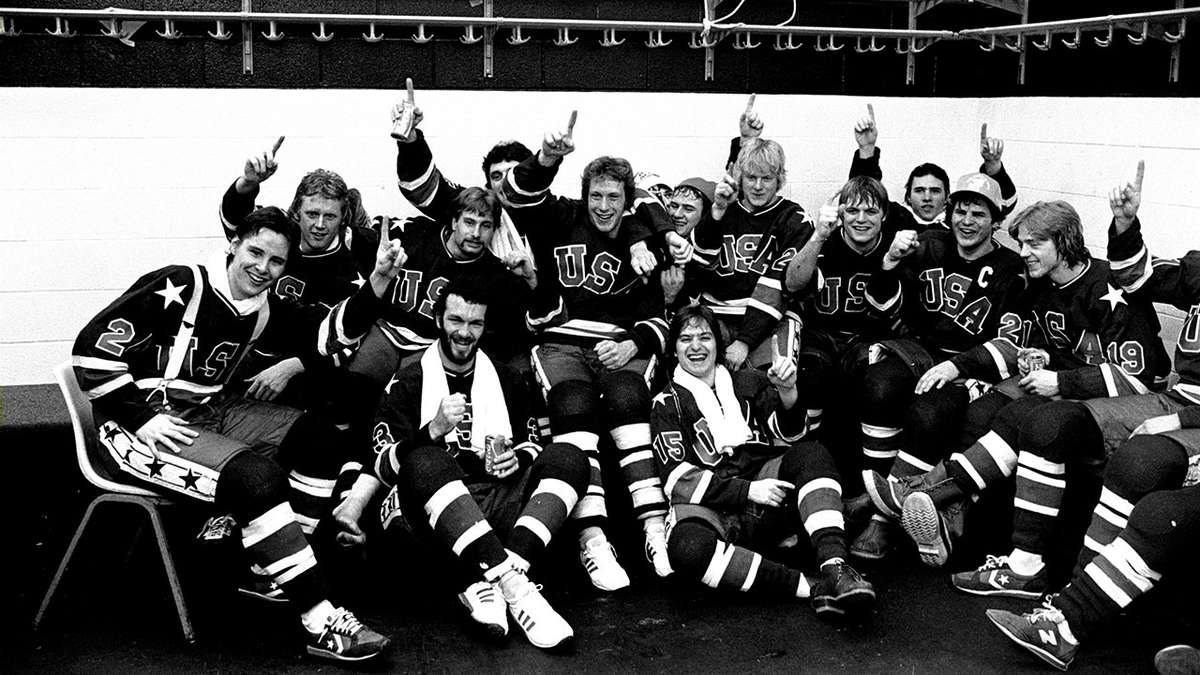
No single game has done more to fix the U.S. hockey story in wider culture than the 1980 Olympic gold-medal run at Lake Placid. The defeat of the Soviet Union on February 22, 1980—commonly called the Miracle on Ice—remains the program’s most cited milestone and a rare instance when an Olympic hockey game transcended sport and entered political and cultural conversation.
Two decades later, Olympic silver medals in Salt Lake City (2002) and Vancouver (2010) sustained the idea that the United States could still reach the final stages of top tournaments, even as a steady Olympic gold remained elusive after 1980. Those silver runs signaled the program’s ability to assemble competitive teams in eras when NHL players were increasingly involved in Olympic competition.
Team and organizational context
USA Hockey, as the national governing body, has guided team construction for Olympics and World Championships, managing the tension between assembling rosters for single tournaments and building long-term continuity. That structural reality helps explain why victories sometimes arrive as discrete peaks: the international calendar, NHL player availability, and selection windows all shape tournament rosters differently from club-season continuity.
NHL participation in Olympic hockey has been a defining influence on roster strength. NHL players began participating in 1998 after agreements between the NHL, NHLPA and IIHF; they were absent in 2018 and later returned for 2026 after a new agreement involving the NHL, NHLPA, IOC and IIHF. Those policy shifts directly affect how Team USA is constructed for the Olympics and the level of star presence available for any given Games.
Modern resurges: 2025 and 2026
The recent run of results altered the arc of the program. At the 2025 IIHF World Championship in Stockholm, the United States claimed gold on May 25, 2025, defeating Switzerland 1–0 in overtime. Jeremy Swayman’s 25 saves in that game and Tage Thompson’s overtime winner produced a tournament victory that carried special weight: it was the United States’ first standalone IIHF World Championship gold in many decades and a sign that the program could top the World stage in the modern era.
That momentum carried into the Milano Cortina 2026 Winter Olympics. On February 22, 2026, the United States defeated Canada 2–1 in overtime, with Jack Hughes scoring the overtime winner. The Olympic gold closed a 46-year Olympic gold drought that had stood since 1980 and drew significant national attention, with broadcast audiences reflecting the magnitude of the moment.

Less-known or surprising details
Two technical realities help explain why Team USA oscillates between highs and middling tournament results. First, tournament timing and roster construction—NHL player availability, the depth of domestic development pipelines, and selections made specifically for short events—create opportunities for exceptional single-tournament outcomes without guaranteeing sustained dominance. Second, the historical counting of titles can be confusing: Olympic success and standalone IIHF World Championship successes are distinct achievements, which sometimes obscured how rare certain victories were until recent years.
For example, the 2025 World Championship gold registered as a major milestone partly because it was a clear modern-era World Championship success, while the 2026 Olympic gold ended a long Olympic drought—two structurally different but narratively linked breakthroughs.
How the story aged
The meaning of older triumphs shifted as later events recast the program’s identity. The Miracle on Ice remained a defining emotional touchstone, but the program’s narrative could have become chiefly nostalgic were it not for renewed success. The 2025 Worlds and the 2026 Olympic gold transformed a story of intermittent glory into one that combines historic memory with contemporary validation—evidence that Team USA can both create singular historic moments and deliver in the present international landscape.
Closing interpretation
The U.S. men’s hockey story is neither a linear rise nor a steady dynasty. It is a pattern of brilliant, culturally resonant victories separated by eras of rebuilding, missed chances, and structural constraints. That oscillation is central to why the program remains compelling: when Team USA wins at the highest level, it reshapes a narrative that once looked like occasional flashes of brilliance. The recent World Championship gold in 2025 and Olympic gold in 2026 suggest the program may now be adding new chapters to its memory—chapters that sit beside 1960 and 1980 rather than merely revisiting them.
Author: Alex R.