2019 Stanley Cup: How the St. Louis Blues’ Last‑Place Turnaround Became an…
The 2019 Stanley Cup remains one of the NHL’s most striking team narratives: a club that sat last in the league in early January finished the season by lifting the franchise’s first Stanley Cup. This article traces how the St. Louis Blues turned a season that looked lost into a championship run and explains why that comeback reshaped how we read momentum and resilience in modern NHL teams.
Quick answer
The 2019 Stanley Cup victory was the culmination of the St. Louis Blues’ midseason reversal: from last in the NHL in early January to champions on June 12, 2019, beating the Boston Bruins in seven games.
What you will learn here
- How the Blues’ season context and playoff path led to the 2019 Stanley Cup.
- Which performances and moments were decisive in the run.
- Why the 2019 title altered the Blues’ franchise identity and matters for NHL narratives.
Season context: last place in January, champions in June
One of the defining facts of the 2018–19 campaign was its extremes. The St. Louis Blues were widely reported to be last in the NHL standings (31st of 31 teams) in early January 2019. That low point is the baseline against which the team’s later progress must be judged: the club climbed out of a bottom‑of‑the‑league position and secured a postseason berth that ultimately produced the 2019 Stanley Cup.
Playoff path to the 2019 Stanley Cup
The Blues’ route through the 2019 playoffs had clearly identifiable series and opponents. In the First Round they defeated the Winnipeg Jets; in the Second Round they eliminated the Dallas Stars; in the Western Conference Final they beat the San Jose Sharks; and in the Stanley Cup Final they faced the Boston Bruins. The Final extended the series to seven games, with St. Louis prevailing four games to three.
Game 7 and the clinch
Game 7 of the 2019 Stanley Cup Final was played on June 12, 2019, at TD Garden in Boston. The Blues won the decisive contest 4–1 to secure the Cup. That victory not only settled the series 4–3 in St. Louis’ favor but also marked the franchise’s first Stanley Cup championship since the team’s establishment in 1967.
Key performances: who delivered in 2019
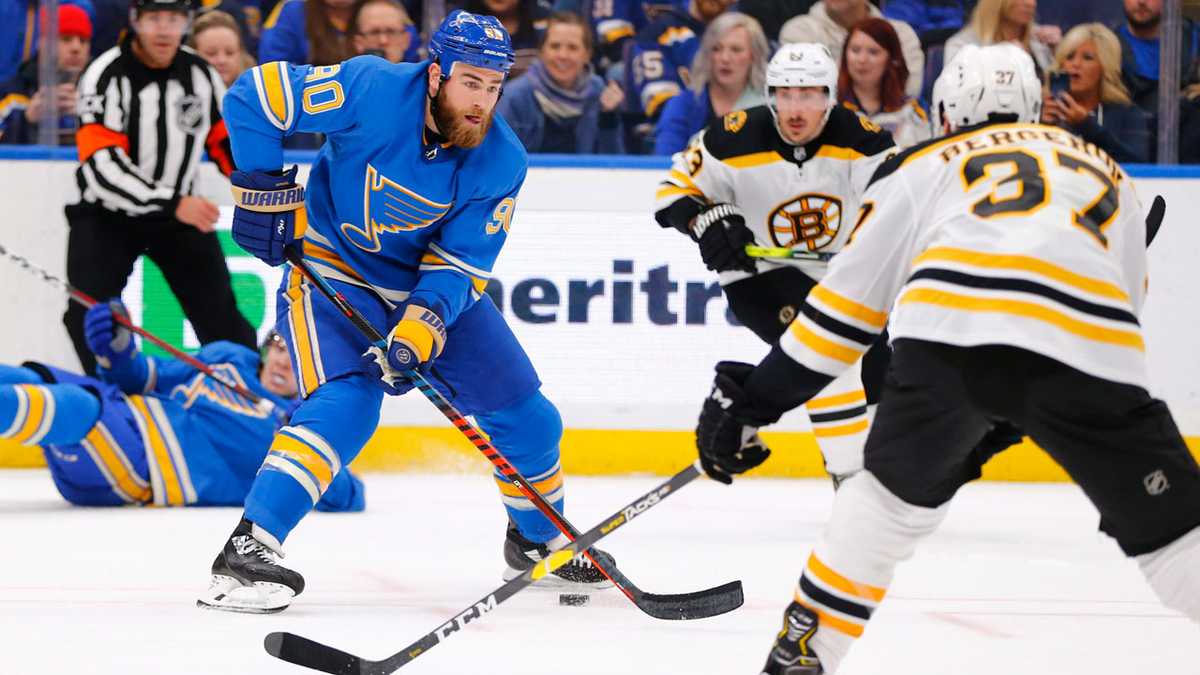
Cup runs are team achievements, but the verified record singles out specific contributors. Ryan O’Reilly was awarded the Conn Smythe Trophy as playoff MVP for his performance across the postseason. Another crucial figure was rookie goaltender Jordan Binnington, who emerged as a key performer for the Blues during the run and provided critical goaltending in series wins and in the Final.
An identity shift: what the 2019 Stanley Cup meant for the Blues
Winning the 2019 Stanley Cup changed how the franchise’s history is read. Before June 12, 2019, the Blues had not captured a Cup since the team’s founding; afterward, the organization could point to a concrete championship as a defining milestone. The championship reframed the 2018–19 season as an archetypal turnaround rather than an anomalous collapse, making the team’s resilience and late‑season cohesion central to its modern identity.
What this story reveals about the NHL
The Blues’ jump from last in January to Stanley Cup winners in June highlights the volatility possible in a single NHL season. It underscores how midseason performance is not always decisive for postseason outcomes and how timely personnel and performance shifts—especially in goaltending and through standout playoff leadership—can alter a franchise’s trajectory. For fans and analysts, the 2019 Stanley Cup run became a concrete illustration that regular‑season position early on doesn’t preclude a championship when form, opportunity, and clutch performances converge.
Final thoughts: why the 2019 Stanley Cup still matters
The Blues’ 2019 Stanley Cup is both a franchise milestone and a durable narrative about recovery and timing in the NHL. The verified facts—the team’s last‑place standing in early January, the sequence of playoff wins over Winnipeg, Dallas, San Jose and Boston, the Game 7 clinch in Boston on June 12, 2019, and Ryan O’Reilly’s Conn Smythe recognition—create a tightly documented story. That story remains useful because it clarifies what can change a season: goaltending emergence, playoff leadership, and momentum translated into results.
Author: Eric M.