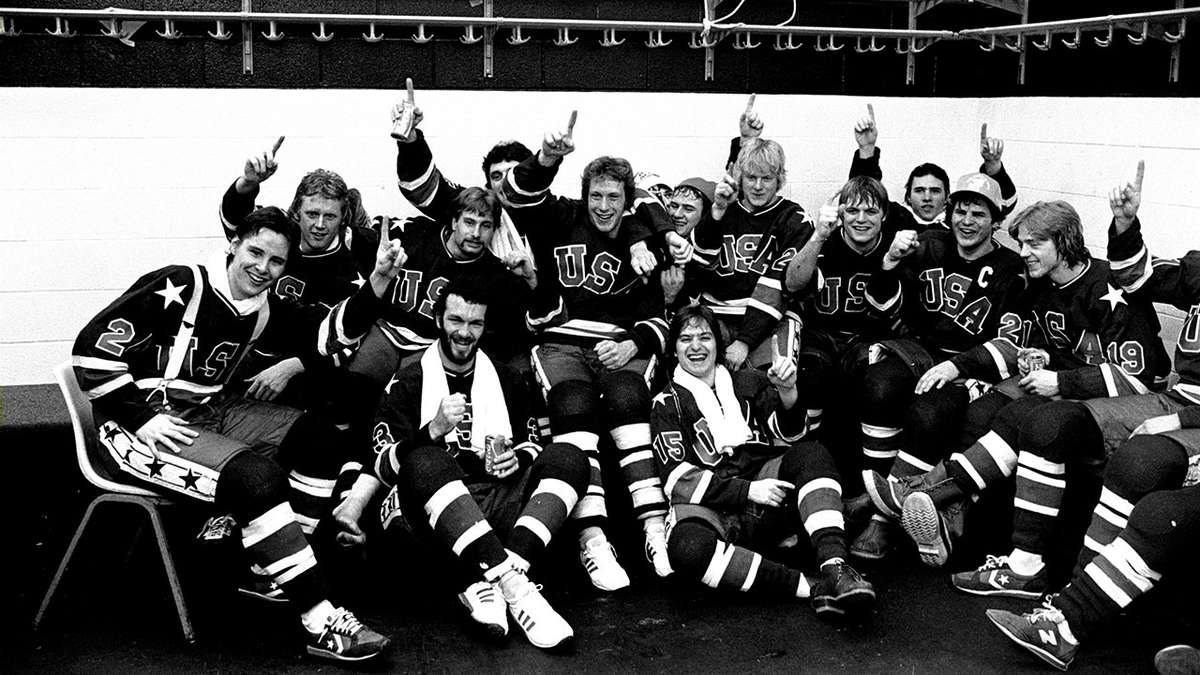
How the 1980 U.S. hockey team became a lasting national symbol
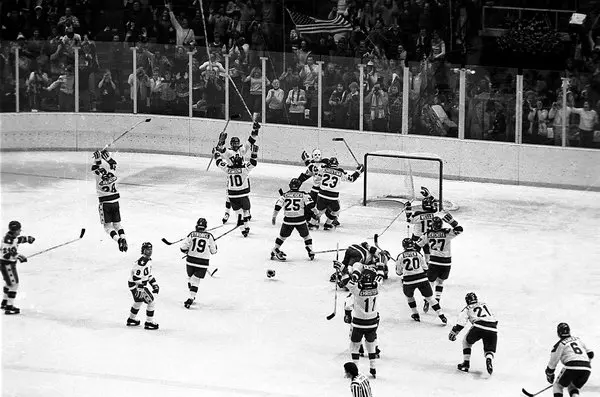
The 1980 U.S. hockey team is more than a single upset; it is a case study in how coaching, collective discipline, and historical context can transform a group of largely college players into a durable national symbol. Coached by Herb Brooks, the team combined conditioning, speed and systems-based play to produce the result that has come to be known as the "Miracle on Ice"—a 4–3 semifinal win over the Soviet Union on February 22, 1980—and then clinched Olympic gold with a 4–2 result against Finland on February 24, 1980.
Herb Brooks built a young, college-based roster into a disciplined, speed-first unit that beat the Soviet Union 4–3 in the semifinal and won gold two days later. Context and systems amplified the result into lasting national meaning.
The period and turning point that defines the topic
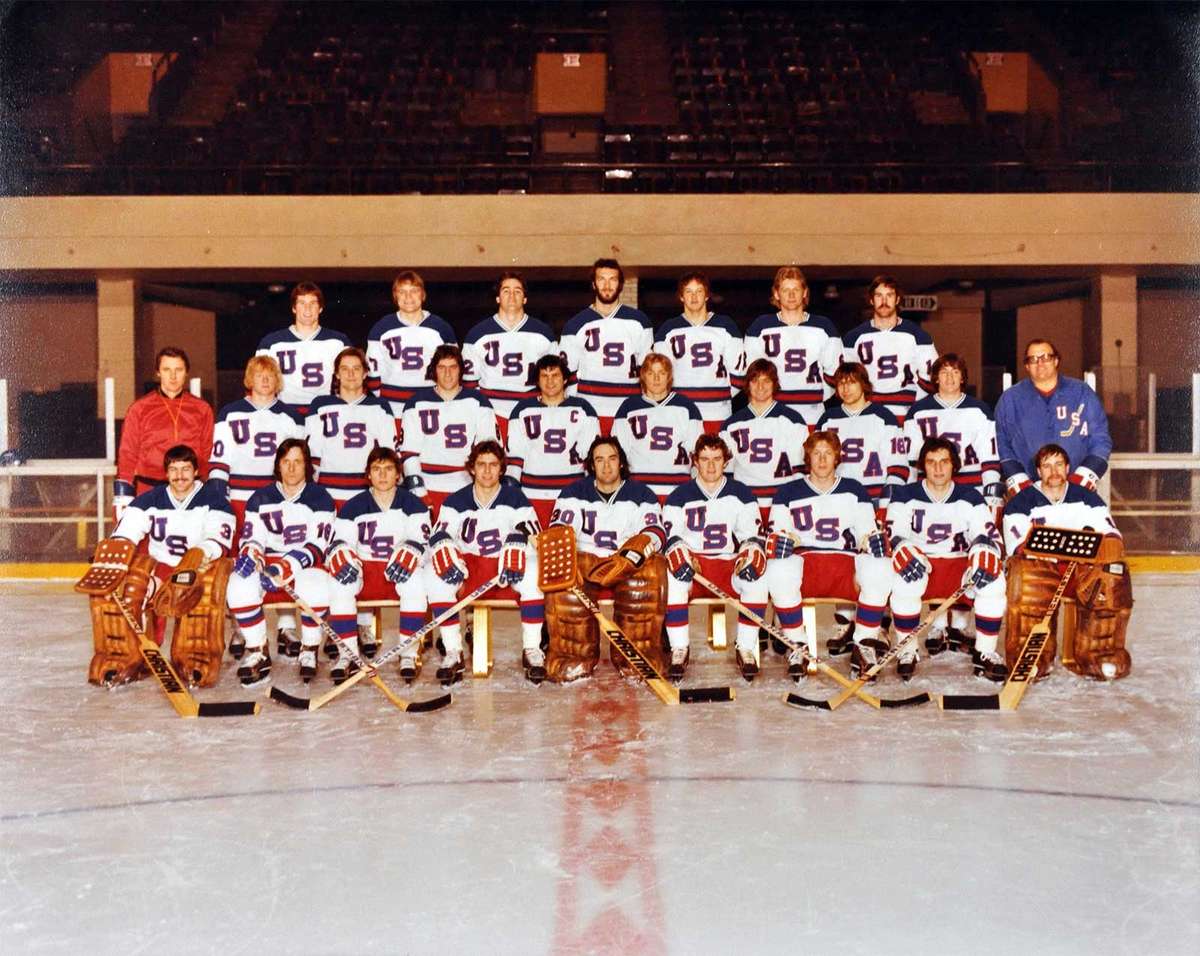
The clear pivot is the Lake Placid tournament in February 1980. The U.S. roster was composed largely of college players and recent graduates, making it the youngest team in the tournament. That amateur composition mattered because Herb Brooks did not build around NHL stars; he built around a system. The result—defeating the heavily favored Soviet Union 4–3 in the semifinal and securing gold after a 4–2 win over Finland—made the team a historical turning point in how a coach-driven, systems-first approach could produce an outsized international outcome.
How the game looked and felt for the 1980 US team
Under Brooks the team emphasized conditioning and speed. Instead of relying on individual star power, the U.S. played disciplined, systems-based hockey that leveraged quick transitions and collective responsibility. That texture—young, fast, and conditioned—created a contrast with opponents whose programs were older, more centralized, and expected to dominate by structure and experience.
Rules, structures, and tournament logic that framed the result
The Olympic tournament used preliminary groups with points carried into a medal round; the U.S. finished the medal round with the highest points total and thus won gold. That format rewarded consistent results across multiple games rather than a single-elimination run, so the U.S. achievement was not just the single upset against the Soviet Union but sustained performance across the medal round, including the gold-clinching victory over Finland on February 24, 1980.
The visual memory and cultural amplification
Culturally, the 1980 games occurred during a tense moment in geopolitics—events such as the Soviet invasion of Afghanistan and the Iran hostage crisis were part of the background—and that context amplified the match’s symbolic weight. The semifinal’s upset has been widely memorialized in media and film, and the final podium—United States gold, Soviet Union silver, Sweden bronze—has been preserved in official records and reports. Visual and media retellings fixed the game's images and narrative in the public imagination.
Styles, rivalries, and defining patterns
The defining competitive pattern of the U.S. team was collective discipline over individual star reliance. Herb Brooks' coaching emphasized systems-based play, conditioning and speed—traits that produced a tactical identity rather than a personality-driven one. Faced with the Soviet program, the U.S. matched tactical clarity with stamina and timely execution, producing an upset widely regarded by sports historians and governing bodies as one of international hockey’s greatest single moments.
What the 1980 era left behind
The 1980 U.S. team left multiple legacies. First, it demonstrated that a well-drilled, systems-oriented squad of largely college players could compete at the highest international level. Second, the victory’s cultural resonance ensured ongoing recognition: the match and the team became a sustained national reference point and have been honored repeatedly, including institutional recognition and later commemorations. Finally, the episode influenced how national programs and coaches think about preparation, psychology and the value of collective belief in producing unexpected outcomes.
Closing interpretation
Seen purely as sport, the 1980 U.S. hockey team achieved a remarkable tournament result: a 4–3 semifinal victory over the Soviet Union on February 22, 1980, and a 4–2 gold-clinching moment against Finland on February 24, 1980. Beyond results, the episode is a lesson in how coaching philosophy, team composition and historical context combine to create meaning. Herb Brooks' emphasis on conditioning, speed and systems turned a college-based outsider group into a disciplined unit whose achievement resonated far beyond the ice—transforming an Olympic hockey team into a lasting national symbol.
Author: Eric M.