Mario Lemieux: how comebacks and interruptions deepened a hockey legend
Mario Lemieux's career reads like a study in peak talent interrupted and then reasserted. The raw skill that made him a dominant force was tested by illness, retirement, and the unusual path of returning as both owner and player. Each interruption reshaped how hockey remembered him rather than erasing the achievements that first established his reputation.
Quick answer
Mario Lemieux combined all-time scoring talent with resilience: he returned from Hodgkin’s lymphoma to score in his first game back, retired in 1997, was fast-tracked into the Hockey Hall of Fame, bought the Penguins in 1999 and stunned the hockey world by returning as player-owner in December 2000, finally retiring in January 2006.
What you will learn here
- How Lemieux’s health setback and March 1993 return changed the narrative around his career.
- Why his 1997 retirement led to an expedited Hall of Fame induction.
- What made the 2000 comeback—after becoming the Penguins’ owner—unique for the sport.
EARLY ROOTS AND FIRST HOCKEY DEVELOPMENT
The verified material focuses on the pivotal interruptions and returns in Lemieux's professional timeline rather than granular junior details. What stands out is the arc from dominant NHL presence to crisis and comeback: an early career strong enough that later absences did not obscure his status among the game’s elite.
HODGKIN'S DIAGNOSIS AND THE RETURN THAT MATTERED
In January 1993, Mario Lemieux was diagnosed with Hodgkin's lymphoma. The diagnosis and treatment could have ended a career already defined by high-level production, but he returned to the ice remarkably quickly. His comeback culminated in a concrete, symbolic moment: he scored in his first game back on March 2, 1993. That goal was more than a tally; it reframed public perception—establishing resilience as part of his competitive identity.
FIRST RETIREMENT AND HALL OF FAME INDUCTION
Lemieux's first retirement came near the end of the 1996–97 season, with his final game of that run occurring on April 26, 1997. The magnitude of his earlier achievements prompted an exceptional institutional response: the Hockey Hall of Fame waived its standard three-year waiting period and inducted him in November 1997. That accelerated induction underscores how his pre-retirement career had already met the sport’s highest benchmarks in the eyes of the selection committee.
FROM OWNER TO PLAYER: BUYING THE PENGUINS AND THE 2000 RETURN
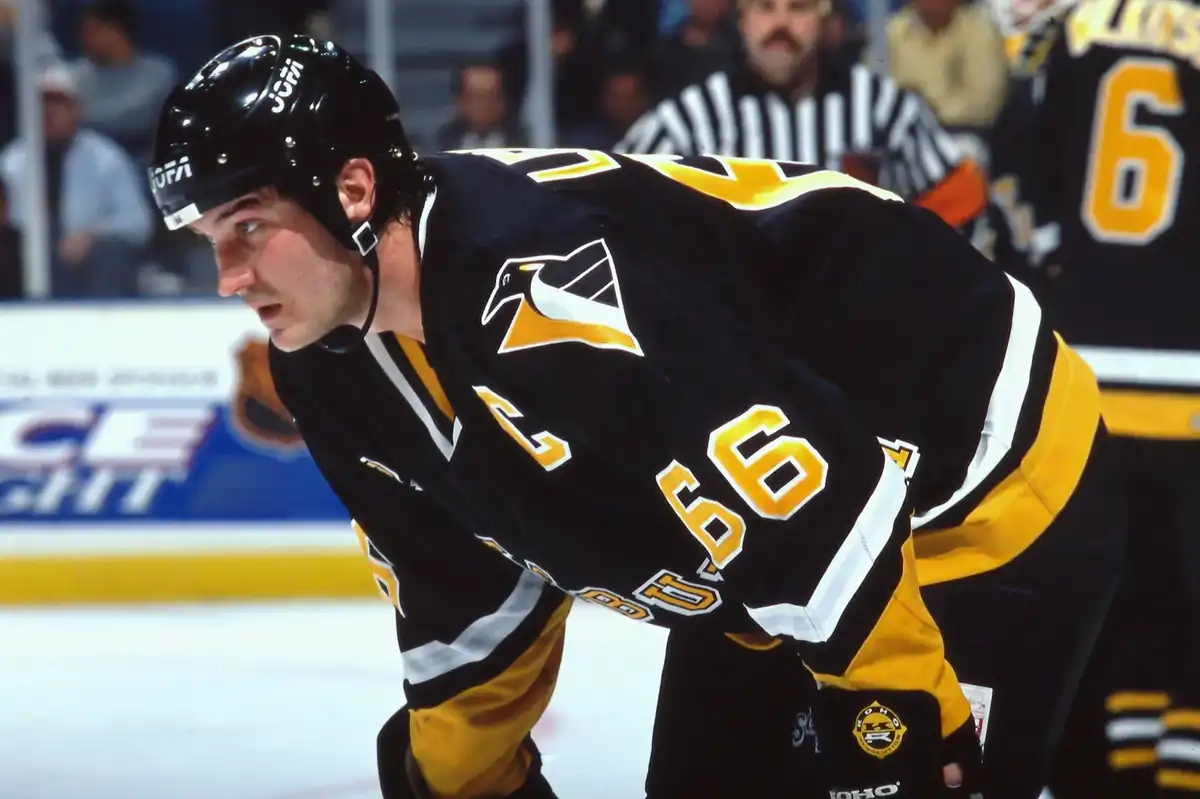
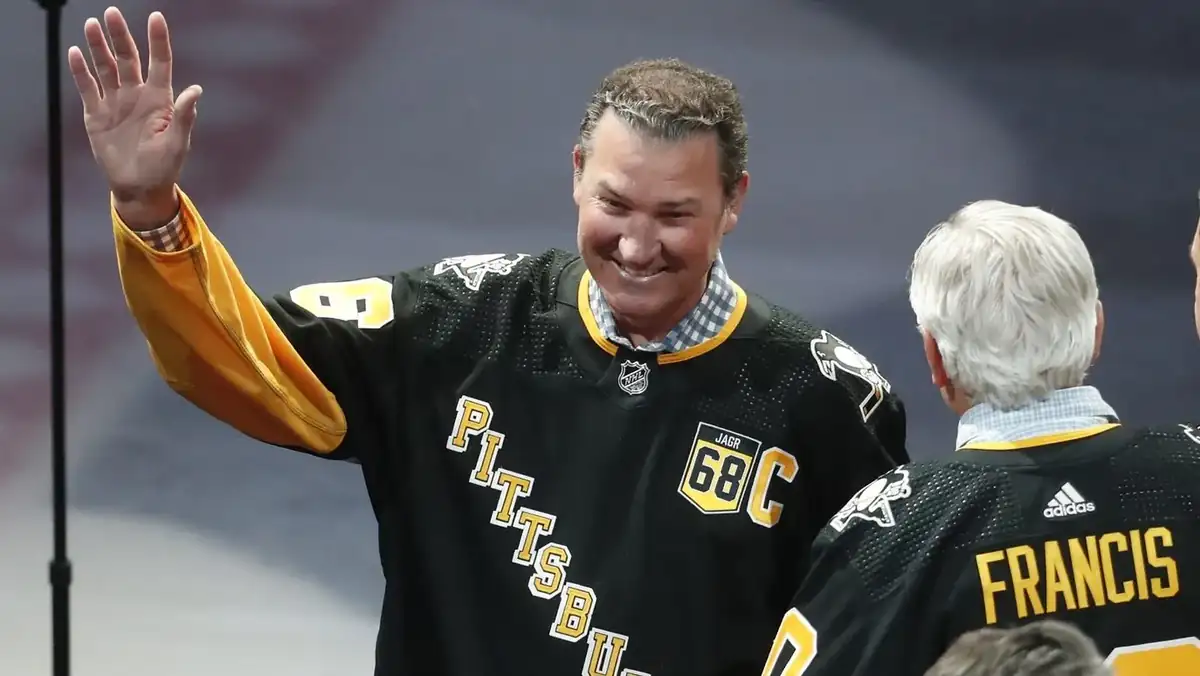
After retiring, Lemieux moved into franchise leadership. He purchased the Pittsburgh Penguins in 1999, rescuing the organization financially and assuming the role of principal owner. This transition set up one of hockey’s most unusual chapters: on December 27, 2000, he announced a playing comeback after 44 months away—returning to the NHL as both owner and player. The context made this more than a roster move; it blurred the lines between front-office rescue and on-ice leadership.
IMPACT OF THE 2000–01 SEASON
The 2000–01 season demonstrated that Lemieux’s talent translated quickly after a long absence. He produced a high points-per-game rate—commonly cited as 76 points in 43 games—and his production helped propel the Penguins into a deep playoff run that reached the Eastern Conference Finals. Those results showed that, even after extended time away, Lemieux remained a decisive offensive force and a difference-maker in postseason context.
STYLE OF PLAY AND ON-ICE IDENTITY
Across the verified arc, the evidential thread is scoring impact. The documented returns—scoring upon his March 1993 comeback and delivering high per-game production in 2000–01—are the clearest indicators of the traits that defined Lemieux on ice: elite offensive instincts, an ability to produce under pressure, and a game that translated into both regular season and playoff contexts. Those tangible production markers explain why his absences did not erase his standing.
FINAL RETIREMENT AND LEGACY
Mario Lemieux announced his final retirement on January 24, 2006. Looking at the timeline of interruptions and returns, his legacy contains two intertwined threads: exceptional on-ice production that merited an expedited Hall of Fame induction, and off-ice intervention that preserved a franchise while allowing him to return as a player-owner. That combination—top-tier playing achievement plus transformative ownership—makes his career path unusually layered in hockey memory.
WHY THE INTERRUPTIONS ENHANCED RATHER THAN DIMINISHED HIS LEGEND
The verified facts show specific moments that crystallized reputation: a goal upon returning from cancer treatment, a Hall of Fame induction shortly after retirement, the purchase of the Penguins, and a successful comeback as owner-player with immediate on-ice impact. These are concrete milestones rather than vague accolades; they turn narrative interruptions into evidence of resilience, sustained skill, and franchise-level influence.
HOW THIS CAREER READS TODAY
Viewed through the verified timeline, Lemieux’s career is a case study in how measurable returns—goals, points-per-game production after a comeback, and decisive institutional actions like buying a team—can deepen a player’s historical footprint. The interruptions become chapters that demonstrate competitiveness and organizational commitment, not gaps that reduce his standing. That factual arc explains why he remains a central figure in conversations about modern NHL legacies.
Author: Alex R.