Are hockey players born talented or trained? What really builds elite skaters…
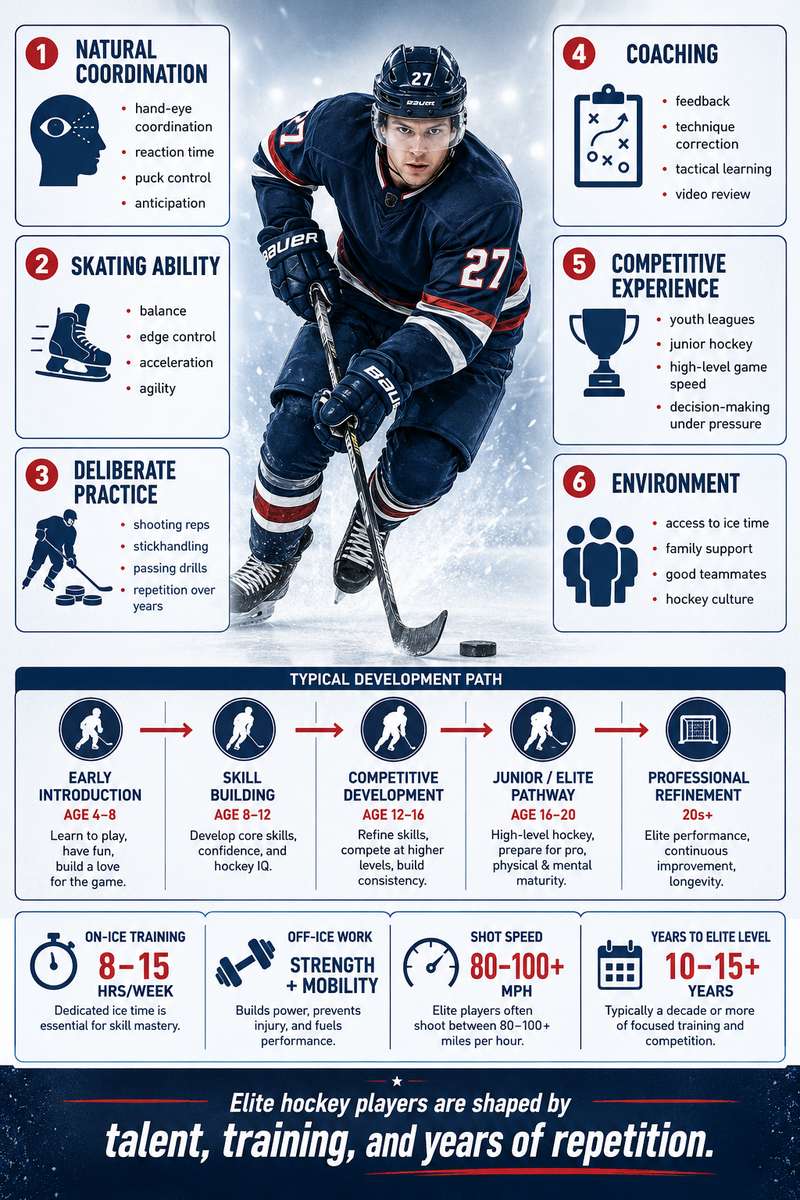
Which matters more: raw-born coordination or hours on the ice? Short answer: both. Natural coordination and physical traits create a starting point, but structured training, skating-focused coaching and real-game experience are the mechanisms that turn potential into elite hockey performance.
The obvious ‘‘born versus trained’’ framing misses how the pieces interact: national development guidance treats skating and multi-sport foundations as the base, deliberate practice as the growth engine, and competitive games as the test bed where skills become dependable under pressure. Below I unpack that interaction, explain what scouts and coaches actually need to see, and map the realistic steps that separate highlight-reel skill from repeatable, game-winning impact.
Quick answer
Innate coordination and physiology give players a head start, but skating mastery, targeted deliberate practice, quality coaching and game experience are the necessary ingredients that convert that start into elite hockey performance.
What this article explains
- Why skating is the foundational skill development programs prioritise.
- How deliberate practice and multi-sport childhoods support transferable motor skills.
- What genetics influence — and what they do not determine.
- How coaches and game exposure turn skills into reliable, competitive performance.
What the question really means: potential versus performance
Asking whether players are born talented or trained conflates two different outcomes. One is potential — coordination, size, or physiological traits that make some movements easier. The other is performance — the ability to execute skating, puck skills and decisions consistently in games. Verified development frameworks treat potential as a starting condition and training as the path to dependable performance. That distinction matters: a child who looks naturally coordinated may still fail to translate that advantage into hockey impact without the right skating coaching, structured practice and competition exposure.
Skating as the foundation: why everything else depends on it
National hockey organizations and development programs explicitly describe skating as the foundational skill for hockey. Skating training targets edge control, acceleration, deceleration, transitions and balance — the mechanical platform on which puck skills, tactical movement and contact tolerance sit. When skating mechanics are weak, impressive stickhandling or a strong shot will often fail under game pressure because the player cannot reach, stop, or maintain positioning reliably.
The role of deliberate practice and coaching
Expertise research emphasises deliberate practice: structured, targeted, repeat-focused training that improves specific aspects of performance. In hockey development this translates into on-ice and off-ice sessions aimed at skating mechanics, edge work and position-specific skills, plus coach-led progression. Development programs and power-skate resources use these structured approaches to accelerate changes in skating efficiency and technical consistency — the very changes that take a gifted beginner toward elite functioning.
Genes and motor foundations: what biology contributes
Genetic and biological factors influence athletic potential — anthropometry and certain genetic variants can correlate with performance characteristics — but they are not deterministic. The verified literature shows that talent arises through gene–environment interaction: inherited traits shape what is easier to learn, while practice, sport exposure and coaching determine how those traits are expressed. National guidance therefore advises multi-sport participation in childhood to build broad motor abilities (balance, coordination, agility) that transfer to hockey.
Game play and decision-making: where practice meets pressure
Competitive experience is singled out by development frameworks as essential to convert technique into effective in-game behaviour. Repetitive on-ice practice builds mechanics; games force players to apply those mechanics while scanning, reading opponents and making split-second choices. Without sufficient competitive exposure, technique stays drill-only: a player may perform well in controlled repetition but fail to apply the skill when opponents, fatigue and tactical complexity are introduced.
What coaches and scouts actually evaluate
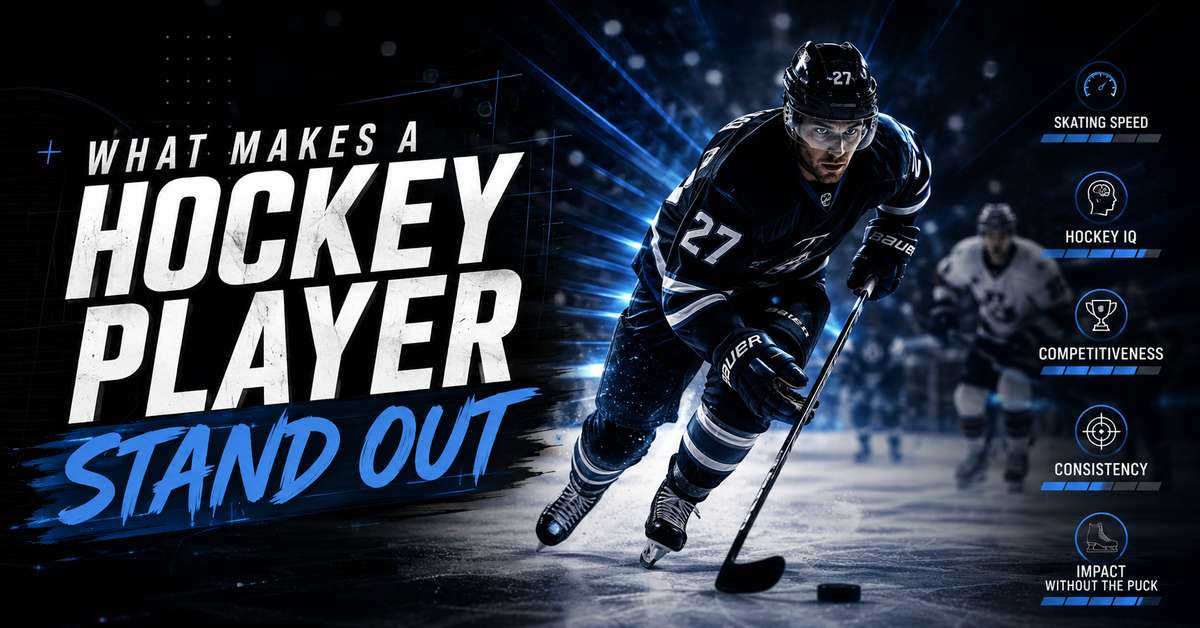
Because skating underpins so much, evaluators look first at movement quality: edge control, acceleration, efficient crossovers and transitions. They then observe whether puck skills are usable at game speed — passing and receiving under pressure, protecting the puck while moving, and releasing shots that create options for teammates. Development programs and coaching resources stress that full-game reliability and the ability to perform under pressure are stronger indicators of future progression than isolated highlight plays.
Common misconceptions and hidden constraints
Three persistent misunderstandings come from treating talent or training in isolation. First: early success in drills does not guarantee later elite status if skating mechanics and competitive decision-making stall. Second: genetics may influence ceiling and learning speed but do not replace structured practice or the need for high-quality coaching. Third: playing multiple sports early is not distraction — it is a recommended strategy to develop transferable coordination that supports later hockey-specific skill acquisition.
A realistic pathway: what training looks like in practice
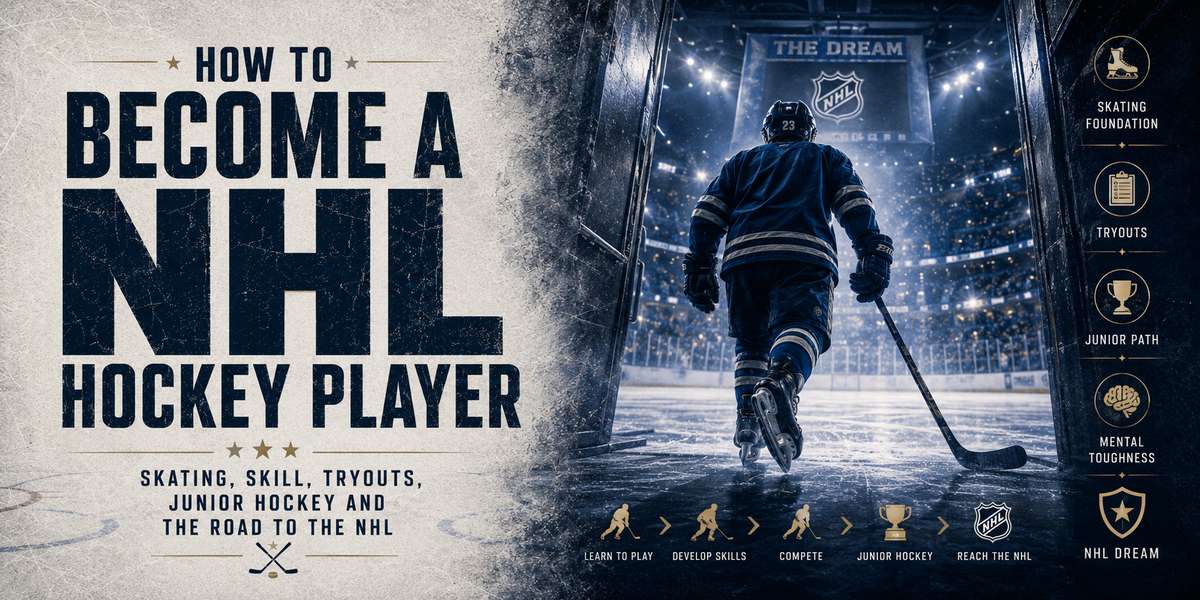
Verified development guidance recommends age-appropriate progression and emphasizes skating-specific training plus diverse early activity. Concretely, this means building a broad athletic base through multiple sports in early childhood, then layering targeted skating and skill sessions guided by coaches and structured programs. Crucially, players must test those skills in meaningful competition: practices teach repeatability, games reveal decision-making under pressure, and both are needed for long-term progression.
Final verdict: born, trained — and combined
The best short summary from the verified evidence is this: innate coordination and physiological traits provide a head start, but they are rarely sufficient on their own. Skating mastery, deliberate, structured practice, coaching that targets mechanics, and competitive game experience are the mechanisms that turn potential into elite performance. National development frameworks reflect this blend by prioritising skating as the foundation, recommending multi-sport childhoods, and encouraging structured, age-appropriate progression.
If you are a player, parent or coach, the practical implication is clear: identify natural advantages, but focus resources on teaching and refining skating mechanics, on purposeful practice that targets weaknesses, and on exposing players to competitive situations where those skills are reliably applied. That combination is what consistently separates a promising athlete from an elite hockey performer.
Author: Alex R.