Hockey Neutral Zone Explained: Where it Sits, Why Teams Fight for It, and How…
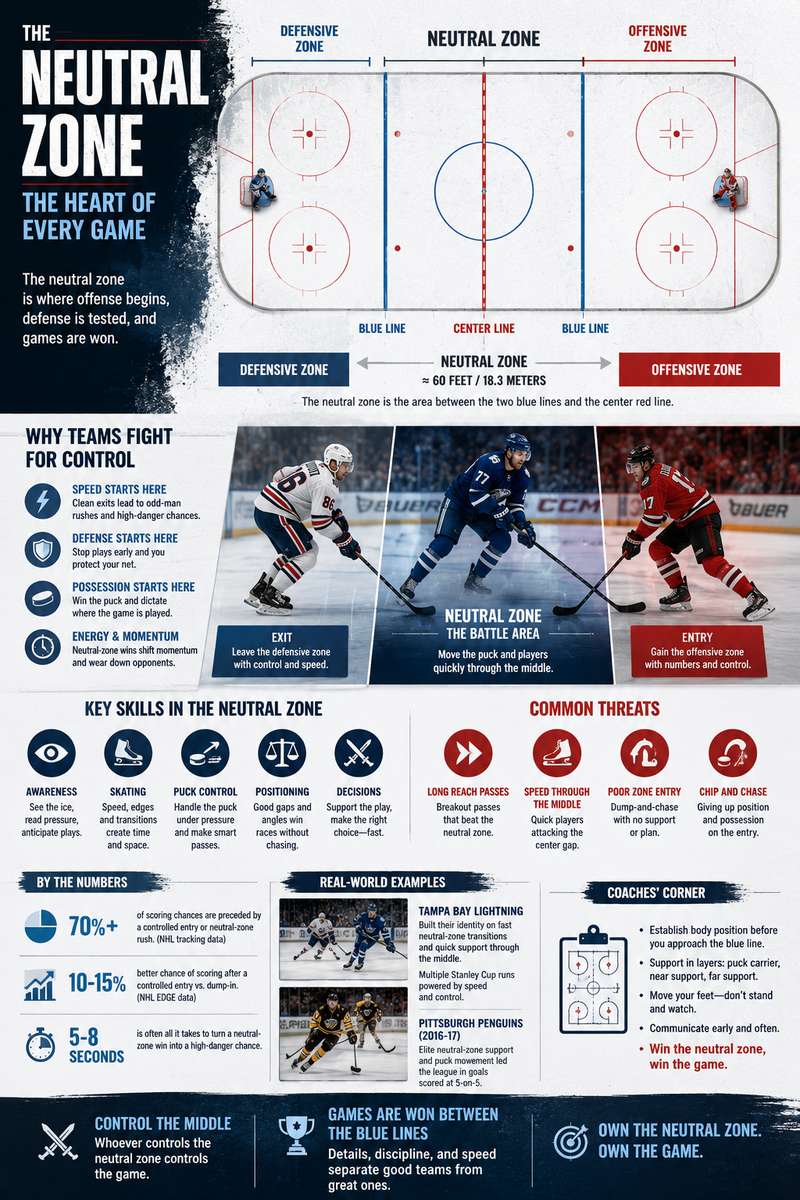
The neutral zone is the middle third of the ice between the two blue lines. It’s the tactical hinge of a hockey game: wins or turnovers here decide whether a team carries speed and control into the offensive zone or settles for dump-and-chase. Understanding neutral-zone play clarifies why coaches teach gap control, breakouts, and traps—and why analysts track entries and turnovers as possession measures.
Quick summary: The neutral zone sits between the blue lines. Offside rules and neutral-zone face-offs tie to its borders. Coaching and tactics focus on speed, support, and lane control here to turn transitions into sustained possession.
Quick access: Definition • How it works • Tactics
CLEAR DEFINITION
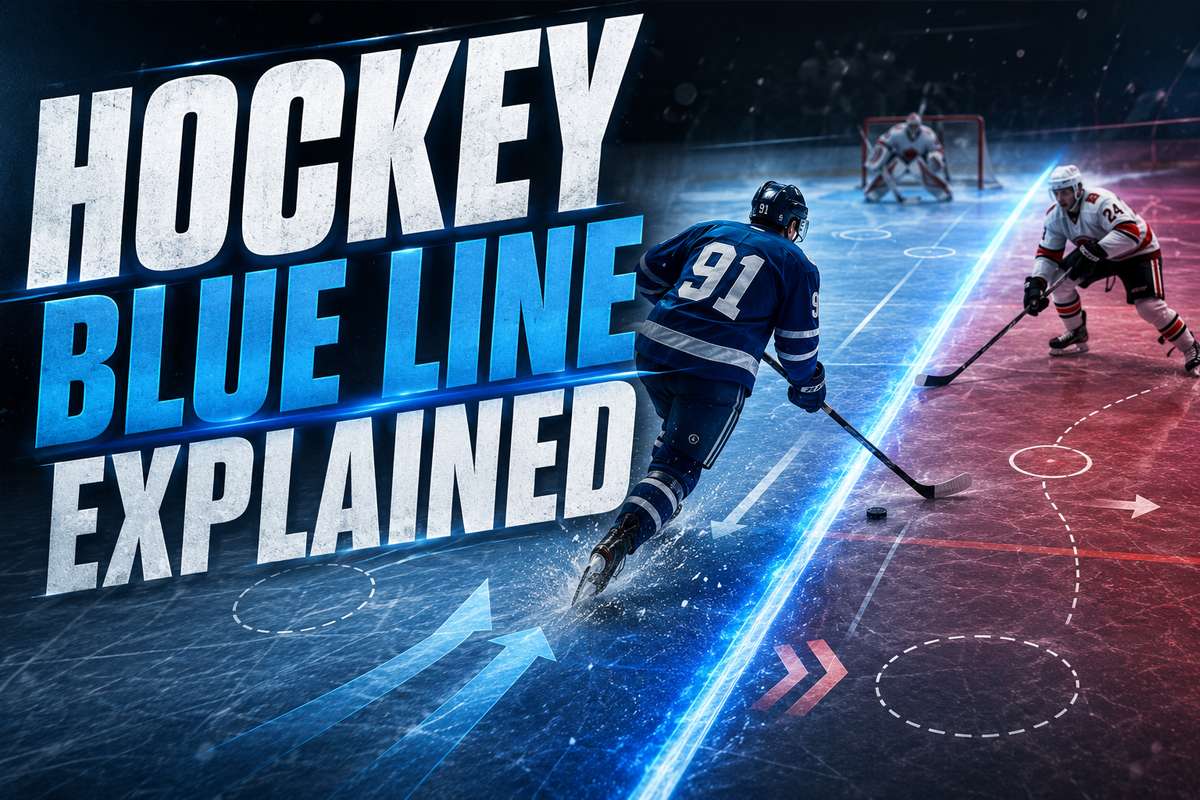
The neutral zone is the portion of the rink between the two blue lines—the center area separating one team’s defensive zone from its opponent’s defensive zone. It is the area where play transitions from defense to attack and where officials often restart play when an offside is called, leading to neutral-zone face-offs.
HOW IT WORKS
Neutral-zone events include entries, exits, turnovers and face-offs. Offside rules are judged at the blue line; an offside stoppage commonly results in a face-off in the neutral zone. What happens in the neutral zone determines whether a team carries speed and possession into the offensive zone or is forced into less controlled options like dump-and-chase.
WHY IT MATTERS IN HOCKEY
Coaches and analysts watch neutral-zone actions because control there predicts transition quality. Clean, fast carries through the neutral zone typically produce higher-quality chances; congestion or turnovers tend to kill momentum and lead to defensive zone recoveries. Analysts use neutral-zone metrics—entries, exits, and turnovers—as repeatable indicators of possession quality.
TACTICS AND TEAM STRUCTURE
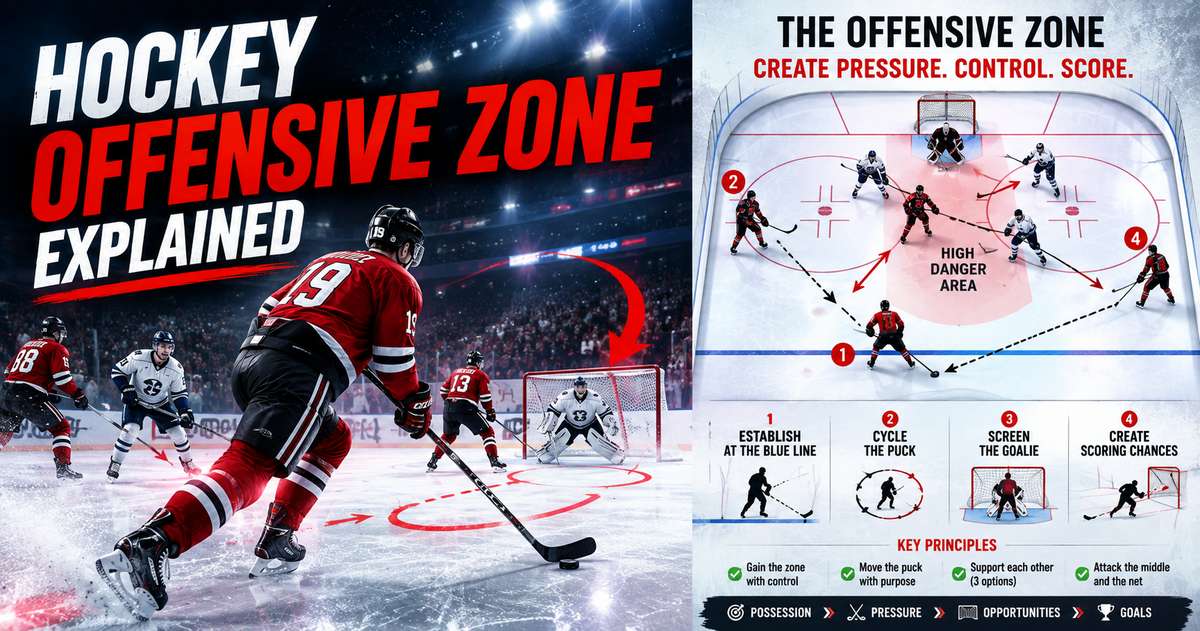
Teams design systems to either win the neutral zone or deny it. Defensive systems like the neutral-zone trap deliberately clog lanes and create congestion to stop opponents from gaining speed and clean possession. On the other hand, structured breakouts, timed support triangles, and lane creation aim to move puck carriers quickly and securely through the neutral zone for controlled zone entries.
PLAYER ROLES IN THE NEUTRAL ZONE
Forwards and defensemen have clear neutral-zone responsibilities. Defensemen manage exits and openings through the blue line, centers often patrol the middle to win or deny face-offs and provide support, and wingers help create passing lanes or apply pressure. Effective neutral-zone play depends on timing and support: players who arrive on time sustain possession, while poor timing invites turnovers.
SKATING, SKILLS, AND PRACTICE FOCUS
Coaching emphasizes speed through the neutral zone, edgework for quick gap changes, and passing choices that maintain momentum. Drills that train transition speed, support triangles, and breakout options are designed so teams can convert recoveries into controlled entries instead of reactive dump-ins. Timing and puck support are as important as pure speed.
RULES AND OFFICIATING
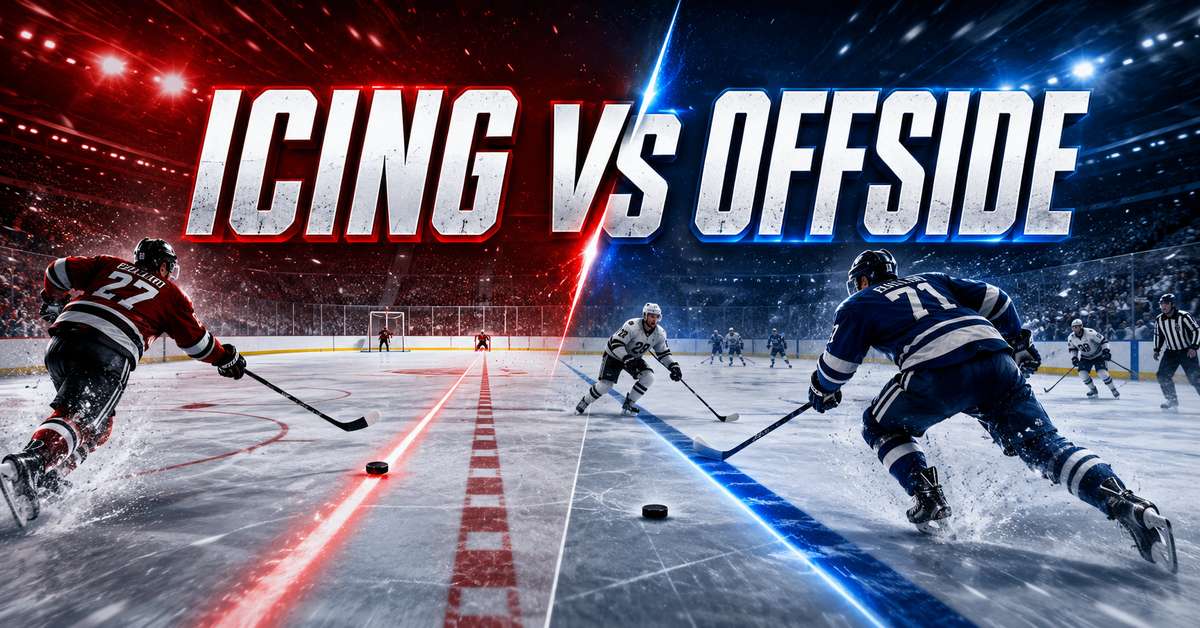
Offside infractions are judged at the blue line and directly affect neutral-zone play; an offside typically stops play and leads to a neutral-zone face-off. Because the blue lines mark the neutral zone’s borders, players and officials constantly reference them to determine legal entries and restart locations after stoppages.
FAN VIEWING GUIDE & HOCKEY ART
When watching, look for who carries speed through the center ice lanes and how many players provide support ahead of the puck. Clean, controlled entries often precede sustained offense; repeated neutral-zone turnovers predict defensive pressure. Visually, the neutral zone is a favorite motif in vintage hockey posters and wall art: the wide, open ice, center-ice face-off dot, and player silhouettes racing through the middle capture the tension between space and congestion that defines this area.
CLOSING INTERPRETATION
The neutral zone is more than a geographic label between blue lines: it is the game’s transitional engine. Control here shapes speed, possession, and ultimately scoring opportunity. For players and coaches, mastering gap control, support, and entries through the neutral zone is foundational; for fans and artists, the middle of the ice provides the drama that separates flashy breakthroughs from stalled attacks.
Author: William L.