Bobby Orr Bruins: How His Gear Shaped a Skating-and-Puck Identity
Bobby Orr’s place in the Bruins' golden era is usually described through goals and skating highlights. Equipment details — how he handled his stick, what he wore on his feet, and even small comfort choices — offer a sharper window into the technical identity he projected on the ice. This article examines the documented gear facts and connects them to the way Orr played.
Quick answer
Orr’s minimalist approach to blade tape and his skate comfort choices—combined with era-typical wooden sticks and leather-style skates—reinforced a playing identity built on tactile puck control and exceptional mobility.
What this breakdown covers
- Confirmed equipment facts from Orr’s memoirs and museum records.
- How tape, skates and gloves map to his on-ice technique.
- Where documentary limits force cautious interpretation.
THE GEAR PROFILE AT A GLANCE
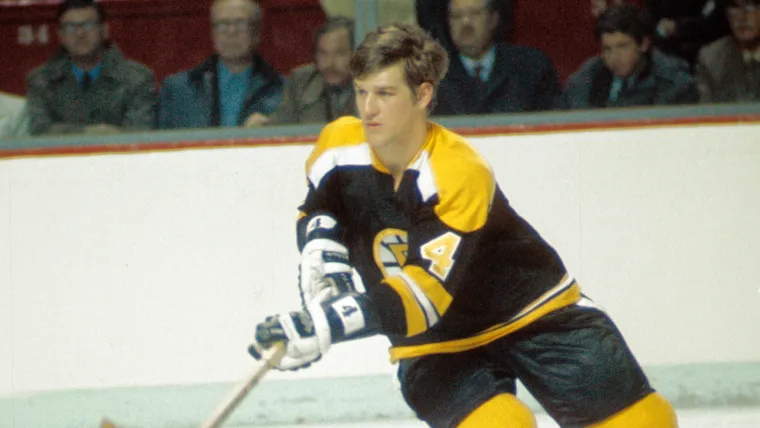
Documentation and museum collections establish a compact, physical record: game-used gloves and skates attributed to Bobby Orr are preserved in Smithsonian collections, and his first-person recollections describe specific habits around tape and socks. He played in the wooden-stick, leather-style-skate era—equipment typical of the late 1960s and early 1970s—so the basics of his kit are anchored in that historical context.
STICK CHOICE AND ON-ICE LOGIC
Orr’s own memoirs explain a clear, deliberate progression: he reduced tape on the blade to maintain the puck ‘feel,’ moving from more tape to a single stripe and eventually to none. That choice is concrete and meaningful. Minimizing tape increases direct tactile feedback between puck and wood—rewarding players who rely on fine touch for passing, stickhandling and redirecting pucks rather than hiding blade contact behind a thick tape layer. For a defenseman whose game depended on precise outlet passes, quick puck pickups, and seams-of-ice creativity, that direct blade feel supports decisions made in fractions of a second.
Because the era used wooden sticks, the overall stick weight and flex behavior differed from modern composite sticks. While exact stick brands and models used by Orr in each season are not comprehensively documented, the memoir-backed detail about tape lets us infer a deliberate preference for direct sensation over any damping effect tape provides—a small equipment habit that illuminates larger technical priorities.
SKATES, EDGES, AND MOVEMENT FEEL
Museum records and historical skate archives associate Orr with the leather-style CCM Tacks / Super Tacks lineage common among NHL stars of his time. Those boots were stiffer and heavier than modern boots, with their own advantages: a solid platform for powerful strides and durable support for fast edge transitions. Importantly, Orr’s memoir notes a personal comfort habit—sometimes playing without socks—which began after he once forgot socks as a junior and continued because it felt better. That anecdote is more than quaint color; it signals a player who tuned small details of fit and sensation to maximize direct contact between foot and boot.
For a player whose hallmark was the ability to explode from the defensive zone into open ice, such fit and comfort choices matter. Closer contact with the boot can heighten proprioception (the sense of where your foot is on the skate), which helps with edge control and subtle balance adjustments while accelerating or cutting with the puck. Paired with the leather-boot characteristics of the era, these factors support an interpretation of Orr as someone who optimized feel and support for high-speed mobility.
PROTECTIVE SETUP AND ROLE-SPECIFIC NEEDS
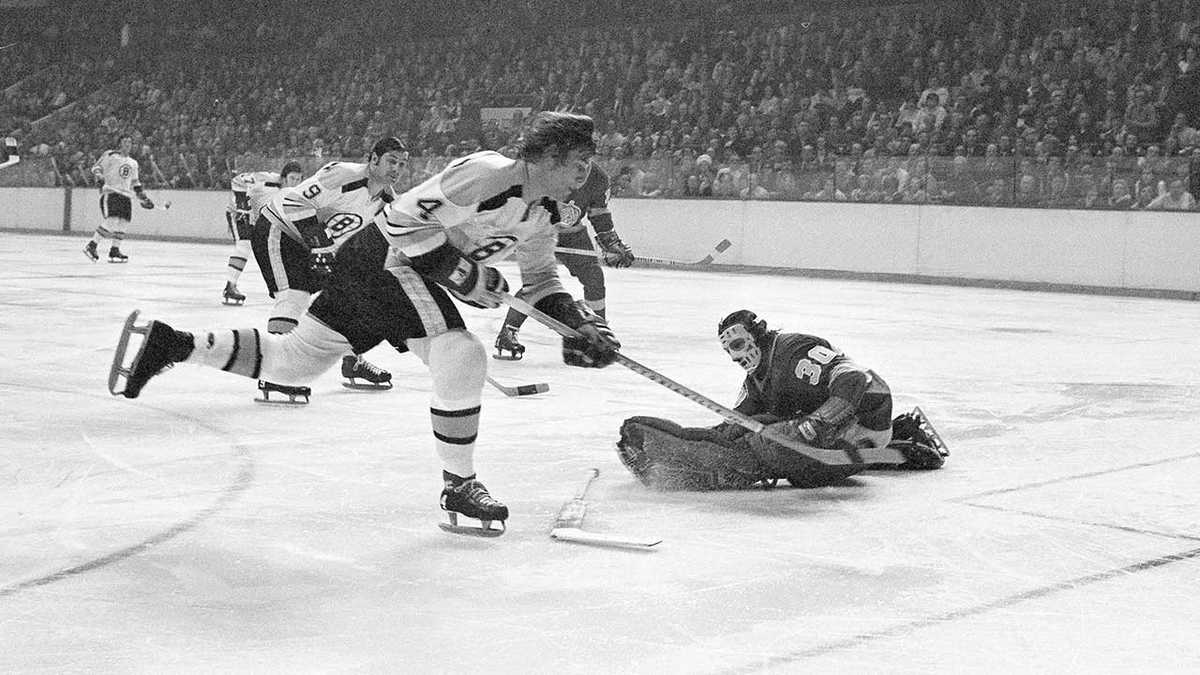
Primary sources do not name specific brands or models for shoulder pads, elbow pads, or shin protection that Orr used in each season. Photographs and archival examination document that he wore the standard protective elements of his era, and the preserved gloves in the Smithsonian confirm at least some of his protective equipment survives as physical evidence. From a role perspective, Orr’s position demanded a balance: mobility to join the rush and enough protection to absorb board play and occasional contact in offensive zones. The equipment norms of the time leaned toward less bulky protection than modern players accept, which aligned with Orr’s requirement for freedom of motion.
HELMET, GLOVES, AND PRACTICAL COMFORT
While helmets were not yet universal during Orr’s prime, the preserved gloves in the Smithsonian provide direct documentary evidence of his hand protection. Gloves of that period prioritized mobility and stick feel over heavy padding. Combined with Orr’s documented minimal blade tape, a consistent pattern emerges: choices that privileged touch and dexterity. His practical comfort choices—most notably playing sometimes without socks—further reinforce the image of a player tailoring equipment for immediacy of sensation rather than maximal insulation or padding.
BRAND LINKS AND EQUIPMENT CULTURE
Contemporary reporting and museum provenance place Orr within the equipment culture of his era: wooden sticks, CCM-style leather skates, and gloves now preserved as museum artifacts. Period profiles also note Orr’s commercial and endorsement involvement with equipment-related ventures. That public association made his on-ice habits culturally visible: fans and manufacturers noticed which skates and items surfaced in photos, exhibits, and promotions, helping to cement certain brands’ reputations among players and consumers of that period.
HOW THE GEAR CHANGED OVER TIME
Definitive season-by-season inventories of Orr’s stick or skate models are not available in the documentary record. Museum items capture snapshots—particular gloves or skates—but do not provide an exhaustive, year-by-year catalogue. Where the record is strong (tape habits and the presence of game-used items in collections), we can see continuity: a preference for tactile connection to the puck and a comfort-first approach to fit. The larger gear evolution in hockey—wood to composite sticks, leather boots to modern thermoformed shells—postdates Orr’s peak, so his documented choices sit clearly inside their historical moment.
WHAT THE EQUIPMENT SAYS ABOUT THE PLAYER
Two small, well-documented habits—minimal blade tape and an occasional decision to skate without socks—are striking because they are tactile choices. They suggest a player who prized immediate sensory feedback and who tuned micro-variables of equipment to enhance feel. For Orr, exceptional skating and puck control were not accidental; the equipment choices we can reliably document are consistent with a player optimizing for touch, quick decision-making, and maximum mobility within the technology of his time.
WHY THE SETUP MATTERS TO HOCKEY FANS
Fans and students of technique gain more from these details than nostalgia alone. Understanding that Orr deliberately reduced tape to preserve stick feel, and that he calibrated skate comfort to his own senses, reframes some classic highlights: the single-handed receptions, pinpoint outlet passes, and fearless rushes become not only products of extraordinary athleticism but also of a player who consciously shaped his tools to match his technique. These are practical, repeatable lessons for players and coaches who study how equipment and sensation interact with skill expression.
Author: Eric M.