Ottawa Senators hockey: Rebuilds, surprise surges and a capital’s steady bond
The modern Ottawa Senators franchise — awarded by the NHL in December 1991 and first on the ice in 1992–93 — has become a story shaped by cycles: multi-year rebuilds, unexpected competitive bursts, and a persistent local connection that keeps the club woven into Ottawa–Gatineau life. That pattern matters because it shows how a franchise can live in public memory not only through trophies, but through recoveries and community work that outlast single seasons.
Quick summary: The Ottawa Senators began play in 1992–93, endured early struggles and multi-year rebuilds, rose to major playoff levels in 2006–07 and 2016–17, produced surprise runs during rebuilding windows, and sustained community programs through the Senators Community Foundation.
Quick access: The story at its true centre • Turning points • Visual afterlife
THE STORY AT ITS TRUE CENTRE
At root, the Ottawa Senators hockey story is one of institutional rebirth and resilience. The franchise was created as an expansion club in December 1991 and debuted in 1992–93. The early years were marked by finishing near the bottom of the league and by deliberate, multi-year rebuilds through the 1990s and 2000s. Those long rebuilds framed later bursts of competitiveness as earned and fragile rather than inevitable — a dynamic that defines the team’s identity in the NHL landscape.
THE SETTING AND STAKES
Being the NHL club in Canada’s capital adds civic dimension to routine franchise moves. Home games at the Canadian Tire Centre (opened 1996) and the Senators’ visible role across Ottawa–Gatineau mean that each rebuild or playoff push carries both hockey stakes and local expectations. The club’s peaks — notably the Stanley Cup Final run in 2006–07 and the Eastern Conference Final run in 2016–17 — operated as high-water marks that reset both hope and organizational pressure.
THE TURNING POINTS THAT FIXED THE MEMORY
Two verified playoff runs bracket the modern franchise’s most widely remembered moments. The 2006–07 Stanley Cup Final appearance established that the rebuilds of the 1990s and early 2000s could yield championship-level contention. A decade later the 2016–17 Eastern Conference Final run further proved that cycles could peak again, though subsequent decisions returned the club to large-scale retooling. Between those peaks, the Senators also produced surprise short-term surges during rebuilding windows; a notable example is the late-season run by goaltender Andrew Hammond in 2014–15, an unexpected hot streak that helped the team reach the playoffs and has since become part of the franchise’s folklore about improbable momentum.
THE PEOPLE OR FORCES INSIDE THE STORY
The pattern of the modern Senators reflects organizational choices — draft strategy, trades and roster turnover — and their consequences. The last decade has included formal rebuild periods, major roster changes and high-profile transactions that reshaped the club’s competitive timeline. Those moves produced both the chance for rapid decline and the possibility for swift resurgence; media coverage has characterized the past decade as cycles of rebuilding interrupted by sudden competitive bursts.
WHY THIS STORY STUCK
This narrative endures because it contains repetitions that fans understand intuitively: the frustration of long rebuilds, the exhilaration of sudden success, and the bitter taste when runs end. The 2006–07 Final and the 2016–17 Conference Final acted as reference points that make intervening seasons meaningful. Likewise, surprise moments like the 2014–15 Hammond streak turn ordinary regular-season games into collective memories that puncture rebuild fatigue and give supporters a shorthand for hope.
THE VISUAL AFTERLIFE OF THE MOMENT
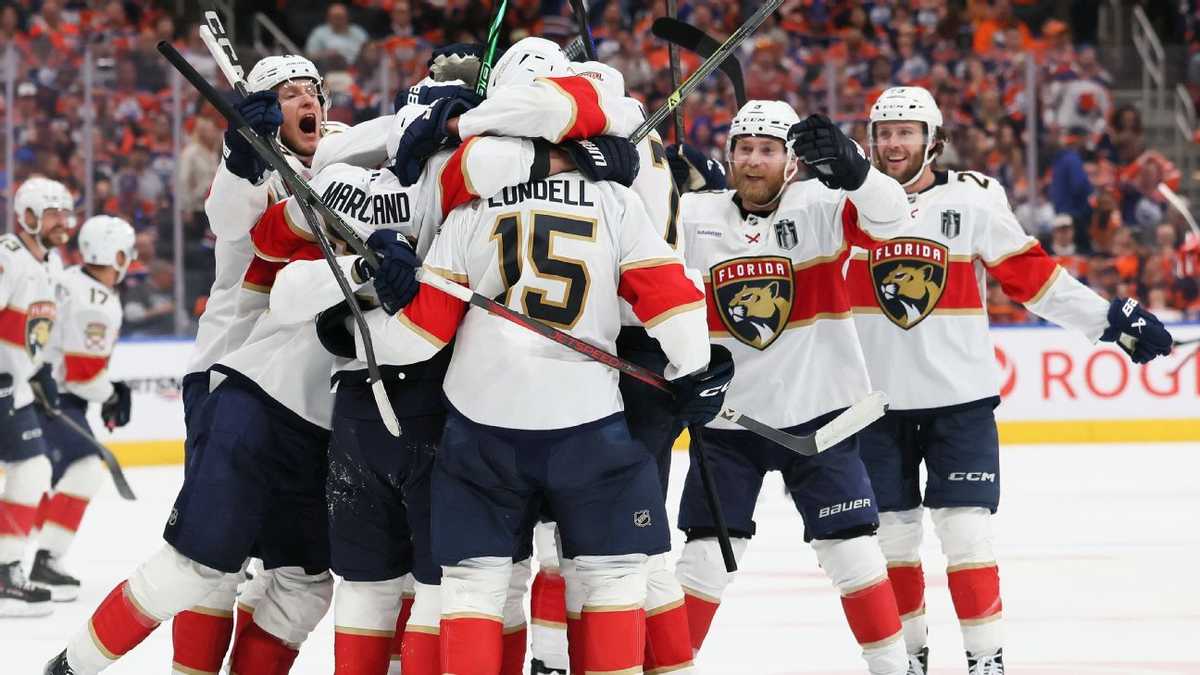
In hockey culture, images matter: jerseys, playoff posters, and arena-night photography become relics of transient success. For Ottawa, playoff posters from deep runs and photographs of packed community events reflect two complementary visual threads — competition on the ice and outreach off it. The Senators’ alumni engagement and foundation fundraising activities also produce imagery that circulates locally, reminding fans that the franchise exists in shared spaces beyond the scoreboard.
WHAT THE STORY REVEALS ABOUT HOCKEY
The Senators’ pattern shows how hockey franchises are rarely linear stories of steady ascent. In the NHL, sustained success often requires patient construction, and temporary surges can be as narratively powerful as long dynasties. Ottawa’s cycles highlight how roster churn, draft positioning and timely on-ice streaks interact — and how local ties and community programs keep a franchise anchored when league results fluctuate. In short, hockey memory values both the peaks and the detours between them.
CLOSING INTERPRETATION
The modern Ottawa Senators hockey narrative is not a single headline but a series: founding as an expansion team in 1991, early rebuilding through the 1990s and 2000s, a Stanley Cup Final in 2006–07, a deep conference run in 2016–17, surprise surge moments like the 2014–15 late-season streak, and continuing community work through the Senators Community Foundation. Together these facts explain why the franchise’s story matters: it is a study in how a team remains culturally significant through cycles of construction, sudden hope, and civic engagement rather than through uninterrupted dominance.
Author: Cynthia D.