Hockey Crease Explained: The Goaltender’s Working Space and Why Crease Battles…
The hockey crease is the semi‑circular painted area in front of each net that marks the goaltender’s protected workspace. Understanding the crease helps fans see why traffic, screens and loose‑puck scrums in front of the net are both the heart of scoring chances and the source of frequent officiating reviews.
CLEAR DEFINITION
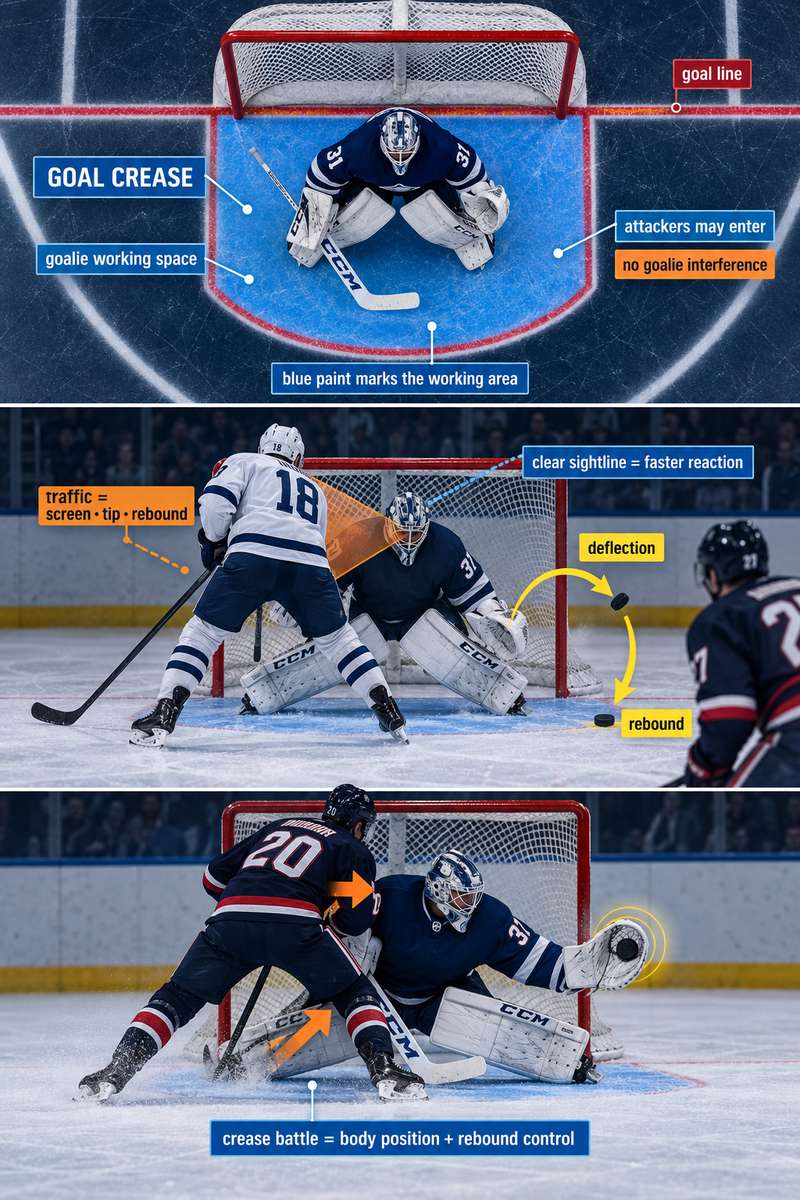
The goal crease is a semi‑circular painted area directly in front of each net that defines the goalkeeper’s protected area. Under IIHF guidance the crease includes the painted lines and the space they outline, extending vertically to the top of the crossbar. In practical terms the crease marks where referees first look when judging whether an attacking player has unfairly interfered with the goalie.
HOW IT WORKS
Being “in the crease” is a visible position, but the rules focus on whether the attacker impedes the goaltender’s ability to make a save or move freely. Players can pass through the crease and can occupy it briefly, yet they cannot establish a position that prevents the goalie from seeing the puck, making a save, or moving. Officials evaluate contact, obstruction, screens, and whether the attacker’s actions materially affected the play.
RULES AND OFFICIATING
Major rulebooks — including the NHL, IIHF, Hockey Canada and USA Hockey — treat the crease as the goaltender’s working space. Rule guidance emphasizes that the mere presence of an attacker inside or near the crease does not automatically decide whether a goal counts. For example, NHL Rule 69 directs officials to determine whether an attacker impeded the goalkeeper rather than relying only on position inside the crease.
Officials use published casebooks and situation tables that show common scenarios: loose‑puck battles, incidental contact, whether the goalie initiated contact, and whether attackers vacated the crease. These examples help referees decide if contact was incidental or non‑incidental and whether a goal should stand or be disallowed.
GOALTENDING AND TRAFFIC
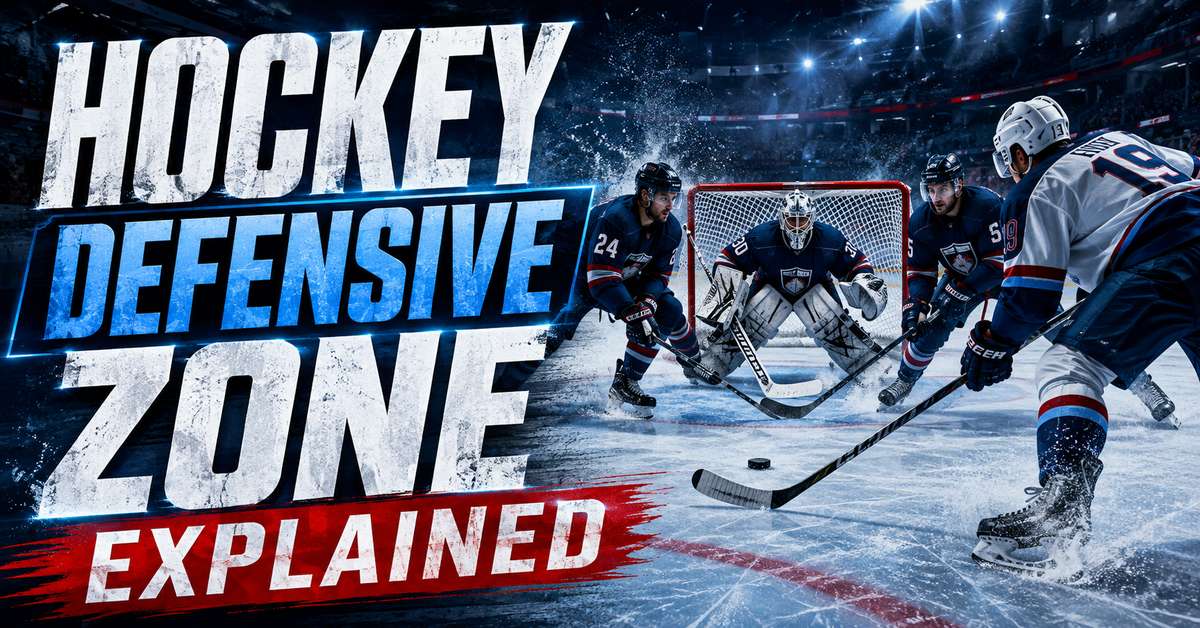
Traffic in front of the net—screens, bodies crashing the crease, and fights for rebounds—is central to scoring. From the goalie’s view, a well‑timed screen or a body positioned to knock down a rebound can be the difference between a save and a goal. Rulebooks therefore protect the goalie’s working space: if an attacking player’s actions obstruct view or movement, officials may rule interference even if the skater started inside the crease or only briefly entered it.
TACTICS AND TEAM STRUCTURE
Offenses intentionally create crease traffic on power plays and even‑strength attack to produce high‑danger chances: screens to hide the puck, quick tip attempts, and planted net‑front bodies to redirect shots and pounce on rebounds. Defenses and goaltenders counter by boxing out, using sticks to clear lanes, and communicating to force attackers out of the crease. Because interference can nullify a goal, attacking players must balance aggressive positioning with the risk of impeding the goalie.
COMMON MISUNDERSTANDINGS
Beginners often think any player in the crease automatically causes a stoppage or that goals will always be disallowed. In reality, major rulebooks say presence alone does not decide the call. The crucial question is whether the attacker impeded the goaltender’s ability to make the save—by contact, obstruction, or by creating a screen that materially affected play. Officials study case examples to make these nuanced judgments.
FAN VIEWING GUIDE
When watching replays, look for whether the goalie was forced off his angle, pushed, or unable to see the puck because of a skater’s position. Notice who initiated contact—did the attacker drive the goalie, or did the goalie move into the attacker’s path? Pay attention to whether attacking players immediately vacate after a goal; hesitating or anchoring in the crease makes disallowance more likely under casebook guidance.
HOCKEY ART AND VISUAL LANGUAGE
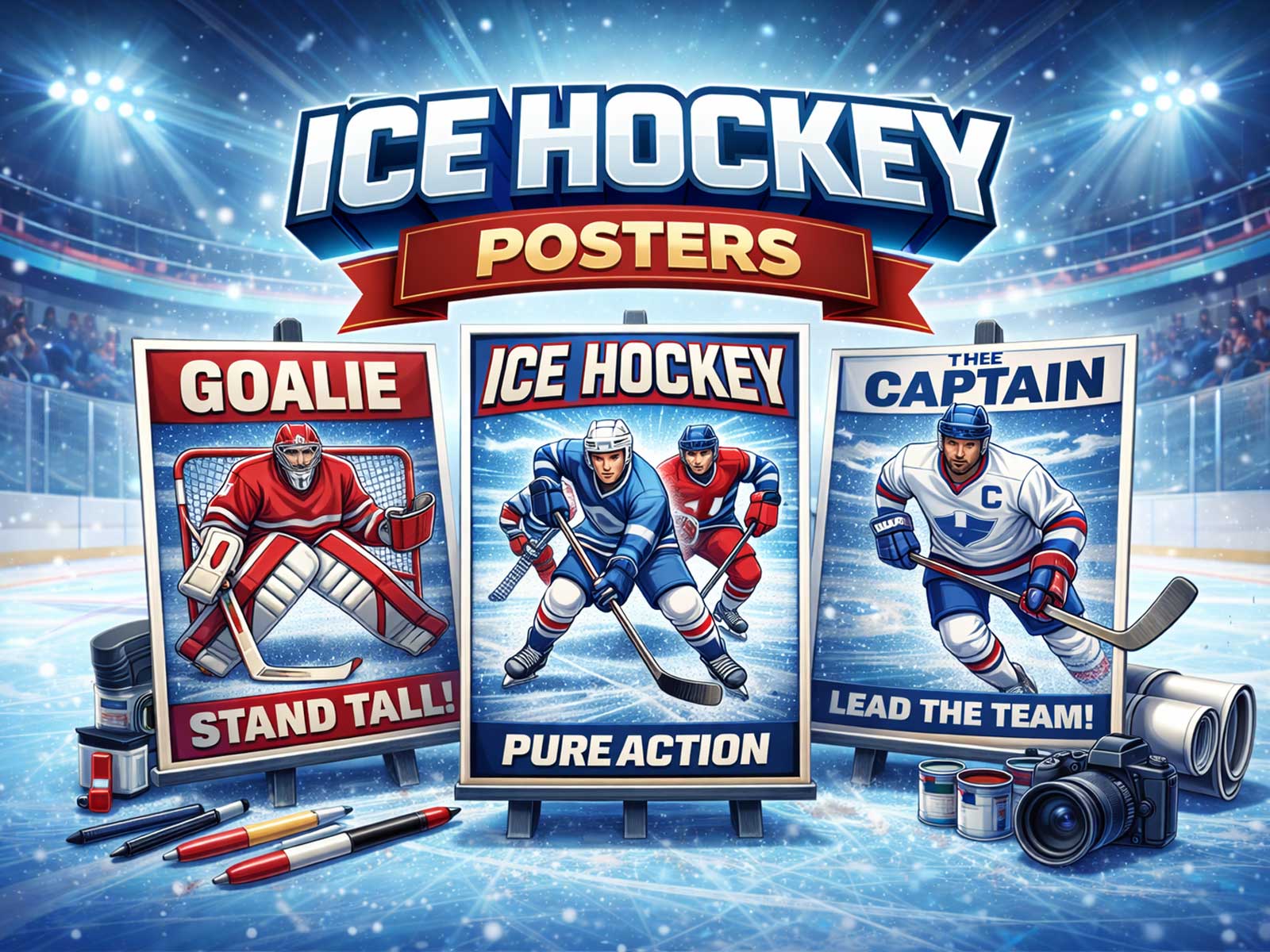
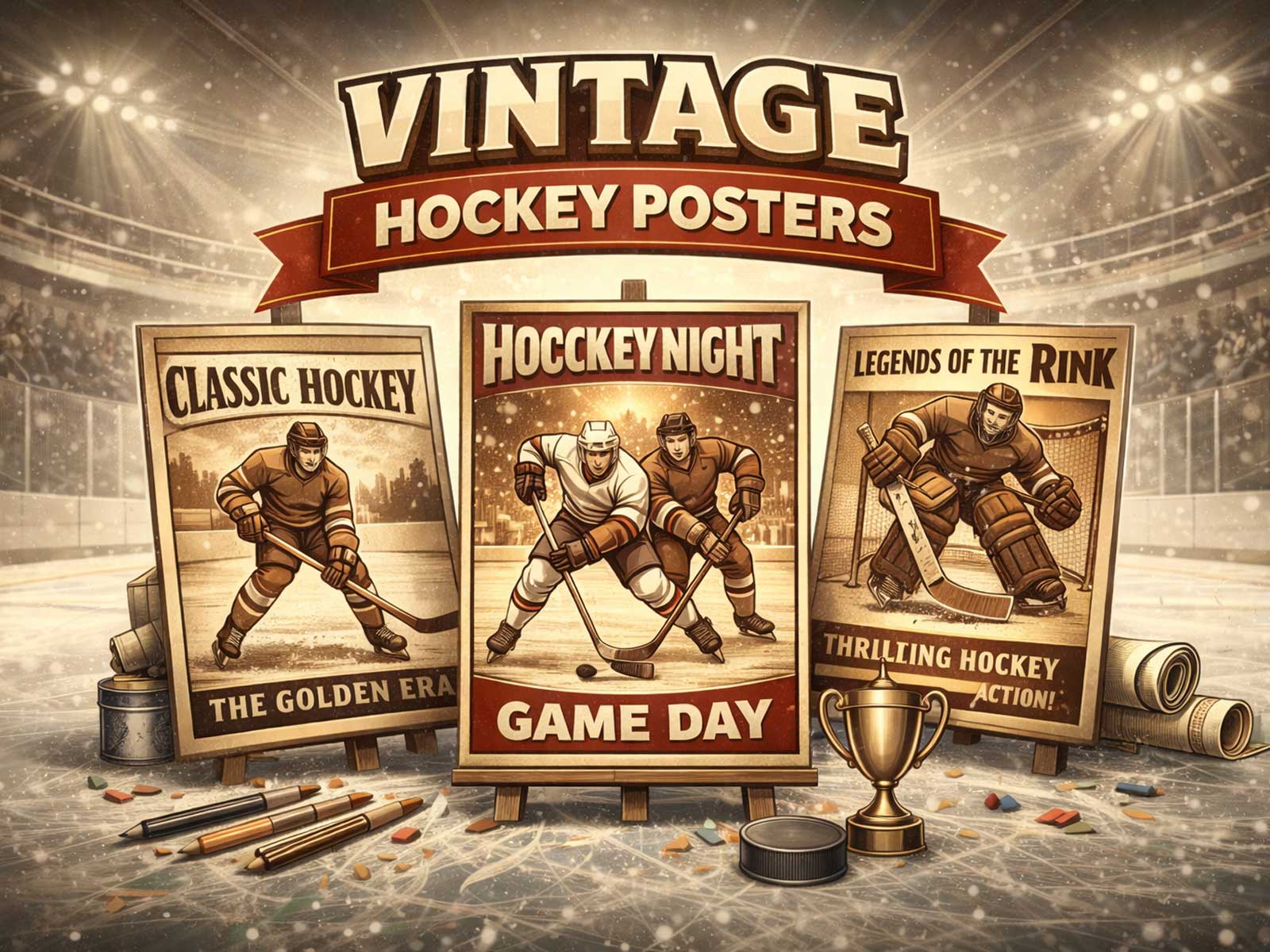
The crease is a powerful visual element in hockey posters and vintage prints: it frames the goalie as guardian of the net and creates a focal point for action. Classic wall art often captures the drama of a crowded crease—goalie crouched, puck airborne, silhouettes of attackers and defenders—emphasizing the physical and strategic intensity that rules aim to regulate.
CLOSING INTERPRETATION
The crease is both a painted shape on the ice and a rulebook concept protecting the goaltender’s working space. Crease battles matter because they sit at the intersection of tactics and officiating: they generate the highest‑value scoring chances while creating situations that referees must evaluate carefully. Understanding how the crease is defined, how interference is judged, and how players balance position and restraint makes live hockey and vintage imagery richer and easier to read.
Author: Alex R.